

Casino payout percentages, also known as return-to-player (RTP) rates, are a key factor in understanding how much you can expect to win from a slot or table game over time. Many players from sportzino casino notice that some slots seem to pay out more frequently than others and wonder why this happens. The difference lies in the design, RTP, and game mechanics. Understanding these factors can help players make informed decisions, manage expectations, and enjoy a more strategic approach to casino gaming.
What Is a Payout Percentage?
A payout percentage is the amount of money a slot or casino game returns to players over the long term. For example, a game with a 96% RTP will, on average, return $96 for every $100 wagered. It’s important to note that this is a statistical average, not a guarantee for any individual session. The payout percentage reflects long-term results and helps players understand potential returns before committing money or virtual currency.
Why Slots Have Different RTPs
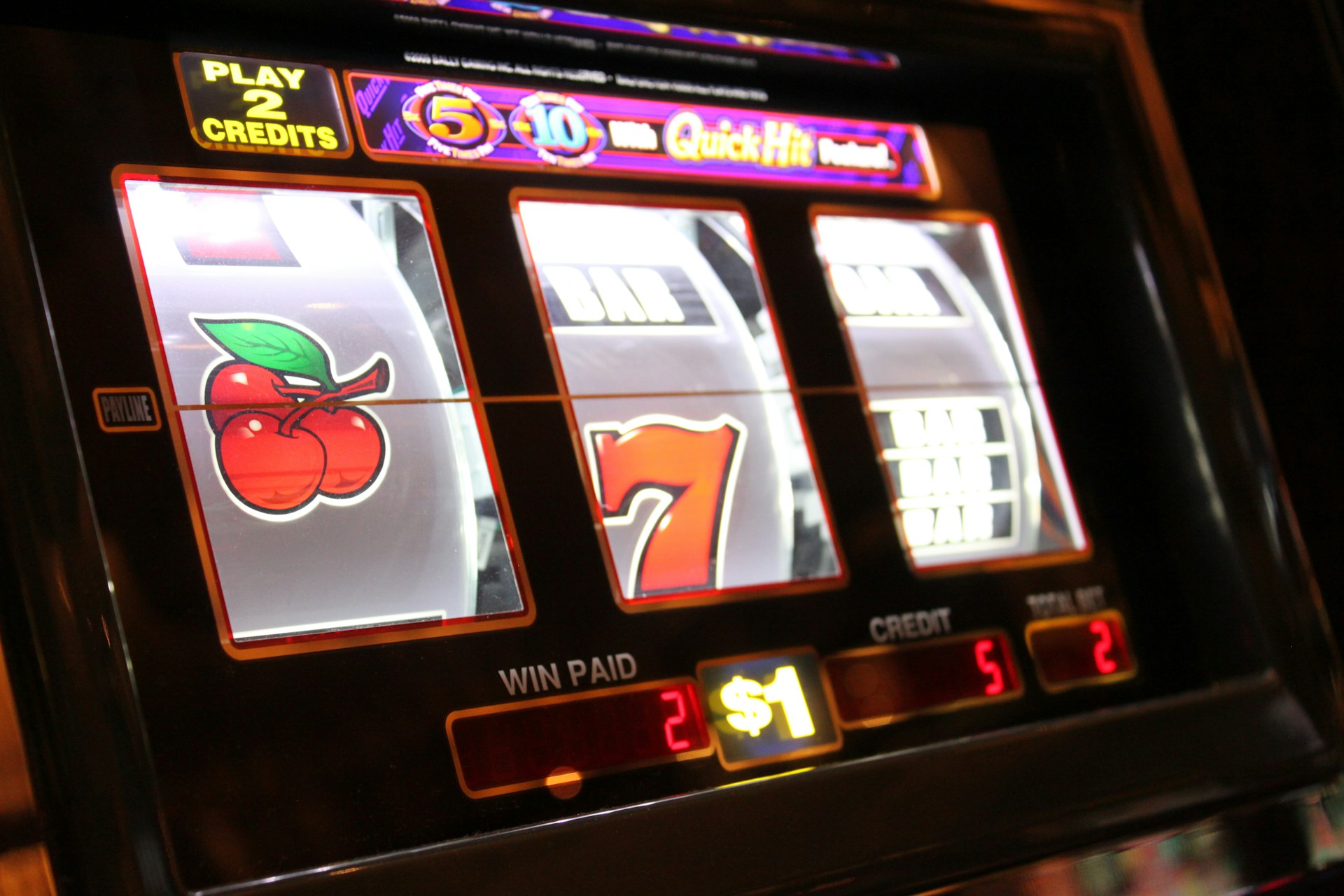 Not all slots are created equal. Each game is programmed with a specific payout percentage based on its design, volatility, and bonus features. Some slots offer frequent small wins, while others provide rare but larger payouts. This variation is intentional and part of what makes each slot unique. Higher RTPs generally indicate better odds over time, but they do not ensure consistent wins in every session. Players should consider both RTP and gameplay style when choosing a slot.
Volatility and Its Effect on Payouts
Volatility, also called variance, affects how a slot pays out. Low-volatility slots offer frequent, smaller wins. High-volatility slots pay out less often, but winnings can be substantial when they occur. A slot with a high RTP may still feel stingy if its volatility is high. Understanding volatility alongside payout percentages helps players select games that suit their risk tolerance and playstyle. It explains why one slot may appear to pay more frequently than another, even if RTPs are similar.
Random Number Generators (RNGs)
RNGs are the technology behind all casino slots. They generate unpredictable outcomes for every spin, ensuring fairness and randomness. Even a slot with a high payout percentage cannot guarantee a win due to the RNG’s randomness. Over time, the RTP will average out, but short-term results can vary widely. The combination of RNG and payout percentage explains why one slot may seem “looser” than another in the short term.
Bonus Features and Multipliers
Many slots include bonus features such as free spins, multipliers, or mini-games. These features can increase potential payouts, making certain slots more attractive to players. A game with a generous bonus round may appear to pay more frequently, but the underlying RTP still governs long-term returns. Understanding how bonuses affect payouts helps players identify games that fit their strategy and maximize potential enjoyment.
How Casinos Set Payout Percentages

Casinos and game developers determine payout percentages during the design process. Online platforms usually display the RTP for transparency, while land-based machines may post it in documentation or regulatory filings. The payout is set to balance player enjoyment with profitability for the casino. This balance ensures a sustainable gaming environment where players can experience wins without compromising the casino’s operations. Knowing this helps players approach games with realistic expectations.
How to Choose Games Wisely
To get the most out of your play, consider both RTP and volatility when selecting slots. Look for games with transparent payout information and features that match your preferences. Trying different games allows you to experience various mechanics and reward structures. Strategic selection does not guarantee a win, but it enhances your enjoyment and understanding of how payouts work. Responsible play, combined with knowledge of payout percentages, gives players more control over their gaming experience.
Casino payout percentages explain why some slots seem to pay more than others. They reflect long-term averages rather than short-term guarantees. Factors like volatility, bonus features, and RNGs all influence how often and how much a game pays. By understanding these elements, players can choose games that suit their style, manage expectations, and enjoy a fair, entertaining experience. Transparency and informed choices are key to maximizing both fun and potential rewards in casino gaming.

 you can play your favorite games whenever you want. you can play anytime and anywhere, for example, you can play on the weekends. This is just one of the main reasons why many people love it. Another advantage is you can play anywhere. You can play it together with your friends or family in the house, or in the subway, or anyplace. Therefore, people really like to play it due to this flexibility. One tip you need to be sure that the online
  you can choose from hundreds of online casino games. These games offer many attributes such as bonuses. Therefore, you can choose any game and play it on your computer or cell phone. It is important to keep in mind that you must select the titles that interest you. In case you do not have an interest in many of the games you want to play with, then you will certainly not have the capacity to play well. This can also cause you to lose a lot of fees. In summary, you have to consider many factors when looking for the best internet casino. What you need to do is try to find a site that is easy to use and allows you to choose from a number of different games based on your personal interest.